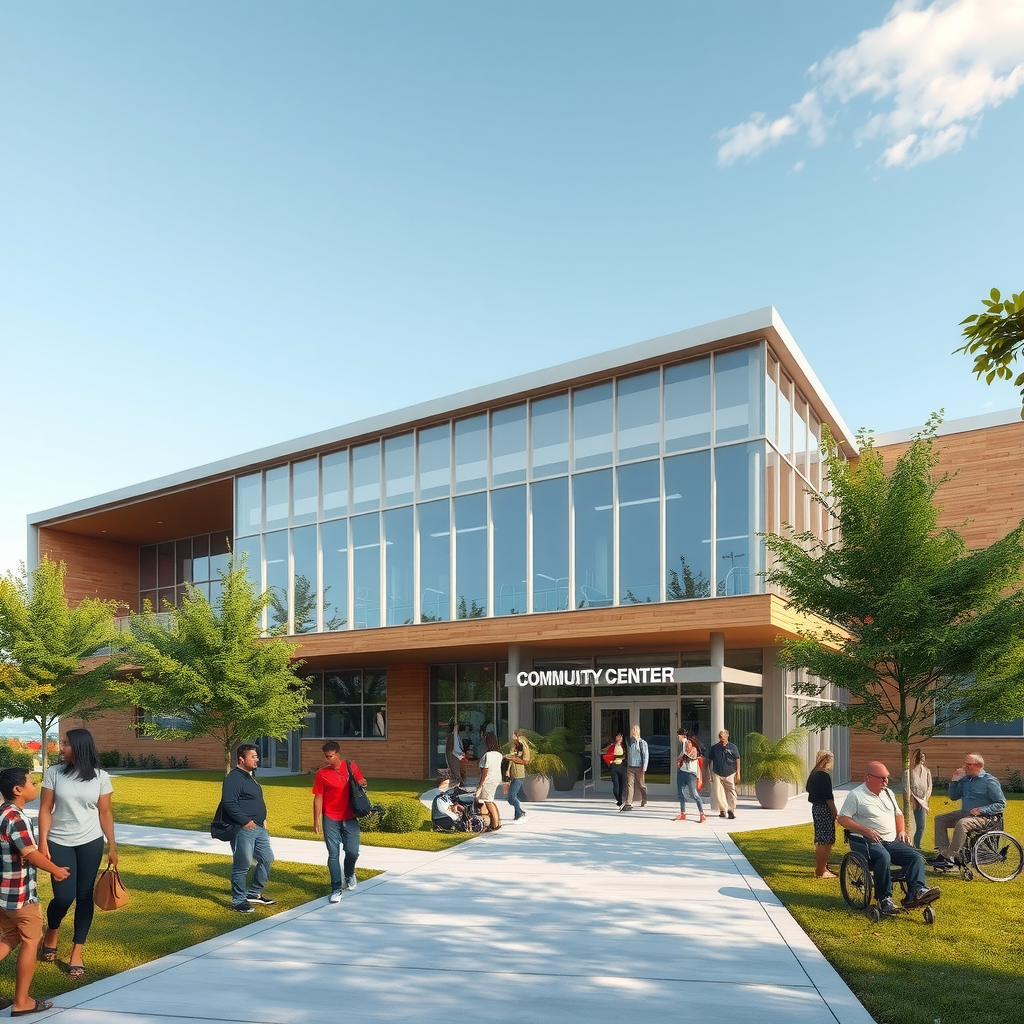
Infrastructure development is the cornerstone of community prosperity and well-being. At Lucey Dugan Watkins Charity, we recognize that strong, sustainable infrastructure creates the foundation upon which communities can grow, thrive, and flourish for generations to come. Our infrastructure development initiatives focus on creating spaces and facilities that not only meet immediate needs but also anticipate future growth and changing community dynamics.
Through strategic planning, community engagement, and sustainable construction practices, we are transforming neighborhoods by building essential facilities that serve as gathering places, provide critical services, and enhance the overall quality of life for residents. Our approach combines modern design principles with environmental responsibility, ensuring that every project contributes positively to both the community and the planet.
Our Vision for Community Infrastructure
We believe that infrastructure is more than just buildings and roads—it's about creating environments where people can connect, grow, and prosper. Our vision encompasses a holistic approach to community development that considers social, economic, and environmental factors in every project we undertake. We work closely with community members, local leaders, and stakeholders to ensure that our infrastructure projects truly reflect the needs and aspirations of the people they serve.
Our infrastructure initiatives are guided by principles of accessibility, sustainability, and inclusivity. We design spaces that welcome everyone, regardless of age, ability, or background. By incorporating universal design principles and environmentally conscious construction methods, we create facilities that are not only functional and beautiful but also responsible stewards of our shared resources.
Sustainable Construction Projects
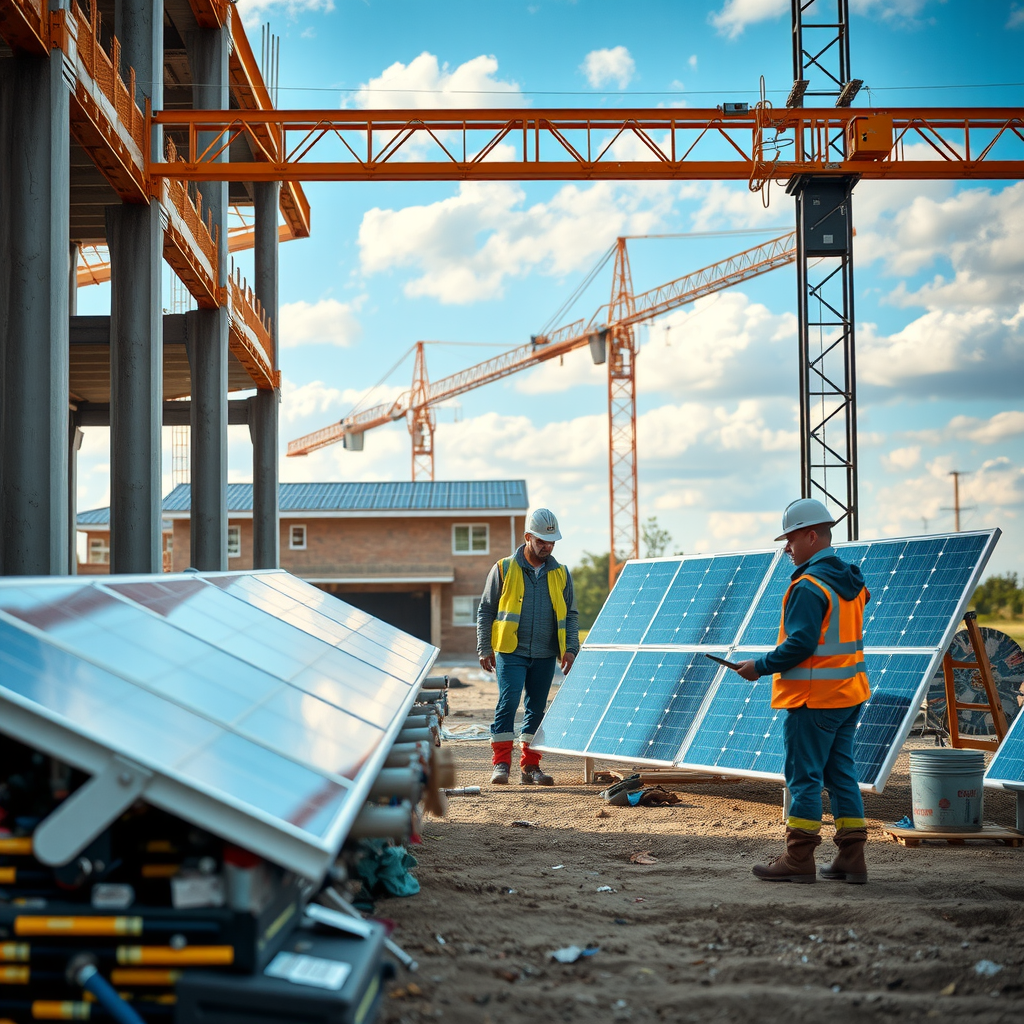
Sustainability is at the heart of every construction project we undertake. We recognize that the buildings and facilities we create today will impact communities for decades to come, which is why we prioritize environmentally responsible construction methods and materials. Our sustainable construction approach reduces environmental impact while creating healthier, more efficient spaces for community use.
Green Building Standards
All our construction projects adhere to rigorous green building standards that minimize environmental impact and maximize energy efficiency. We incorporate renewable energy sources, such as solar panels and geothermal systems, to reduce reliance on fossil fuels. Our buildings feature advanced insulation, energy-efficient windows, and smart climate control systems that significantly reduce energy consumption while maintaining comfortable indoor environments year-round.
Water conservation is another critical component of our sustainable construction approach. We install low-flow fixtures, rainwater harvesting systems, and drought-resistant landscaping to minimize water usage. These features not only reduce environmental impact but also lower operational costs, ensuring that community facilities remain affordable to maintain over time.
Environmental Impact Reduction
Our commitment to sustainability extends beyond individual buildings to encompass entire project lifecycles. We carefully select construction materials based on their environmental footprint, prioritizing locally sourced, recycled, and renewable materials whenever possible. This approach reduces transportation emissions, supports local economies, and minimizes waste generation during construction.
Innovative Construction Techniques
We embrace innovative construction techniques that enhance both sustainability and efficiency. Modular construction methods allow us to reduce on-site waste and construction time while maintaining high quality standards. Advanced building information modeling (BIM) technology helps us optimize designs, identify potential issues before construction begins, and ensure precise execution of complex projects.
Our construction teams receive ongoing training in the latest sustainable building practices and technologies. This commitment to continuous improvement ensures that we remain at the forefront of green construction, consistently delivering projects that exceed environmental standards and community expectations.
Community Centers: Hearts of Neighborhoods
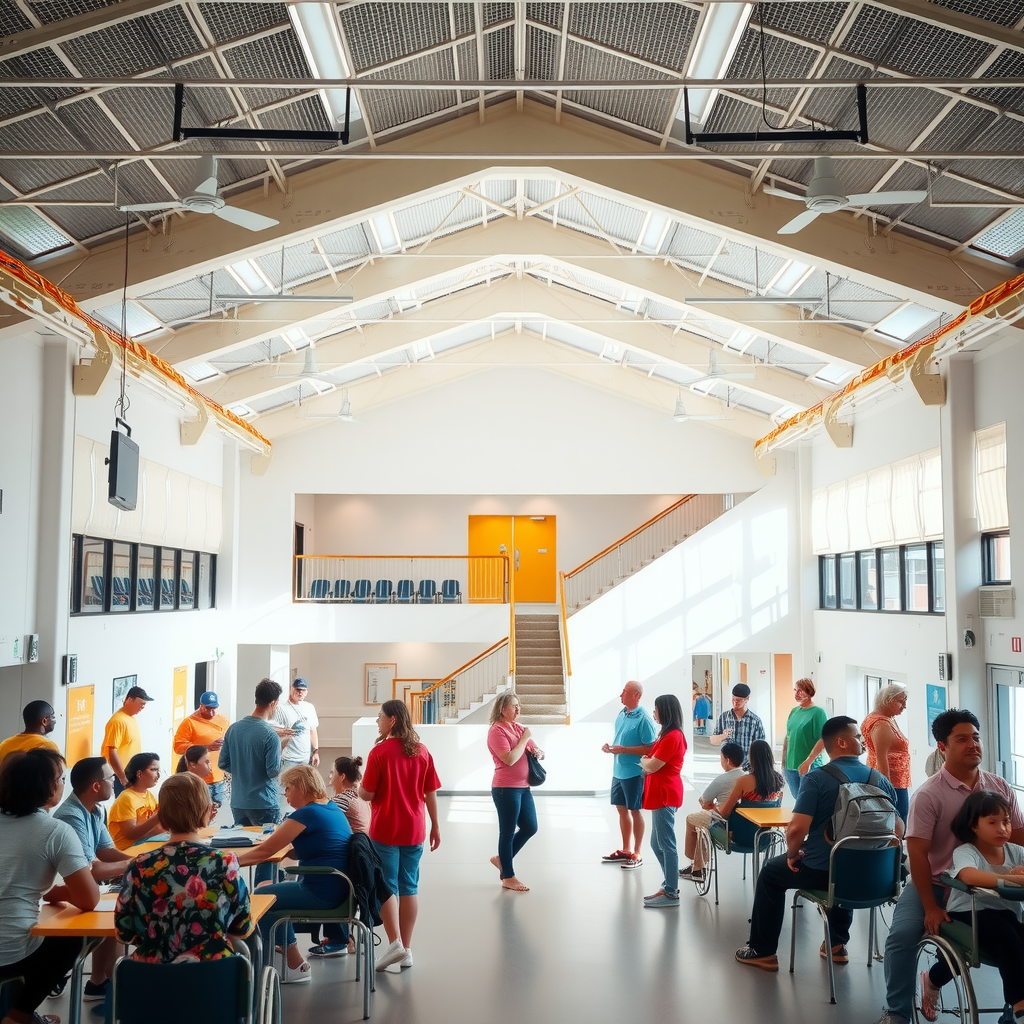
Community centers serve as vital hubs where neighbors connect, learn, and grow together. Our community center projects create welcoming spaces that accommodate diverse activities and serve multiple generations. These facilities are designed to be flexible and adaptable, capable of hosting everything from educational programs and health services to cultural events and recreational activities.
Multipurpose Design Philosophy
We design community centers with versatility in mind, creating spaces that can easily transform to meet changing needs throughout the day and across seasons. Large multipurpose rooms feature movable partitions that allow for both intimate gatherings and large community events. State-of-the-art audiovisual systems support presentations, performances, and educational programs, while comfortable furnishings create inviting environments for casual socializing and formal meetings alike.
Our community centers include dedicated spaces for specific activities while maintaining overall flexibility. Computer labs provide technology access and digital literacy training. Commercial-grade kitchens support cooking classes, community meals, and food preparation for local programs. Art studios, music rooms, and maker spaces encourage creative expression and skill development across all age groups.
Accessibility and Inclusion
Every community center we build prioritizes accessibility and inclusion. Wide doorways, ramps, and elevators ensure that people with mobility challenges can access all areas of the facility. Accessible restrooms, adjustable-height counters, and assistive listening systems demonstrate our commitment to serving all community members with dignity and respect.
Beyond physical accessibility, we design spaces that are culturally inclusive and welcoming to diverse populations. Multilingual signage, prayer and meditation rooms, and culturally appropriate programming spaces ensure that everyone feels represented and valued. Our community centers become true gathering places where diversity is celebrated and community bonds are strengthened.
Recreational Facilities for Active Communities
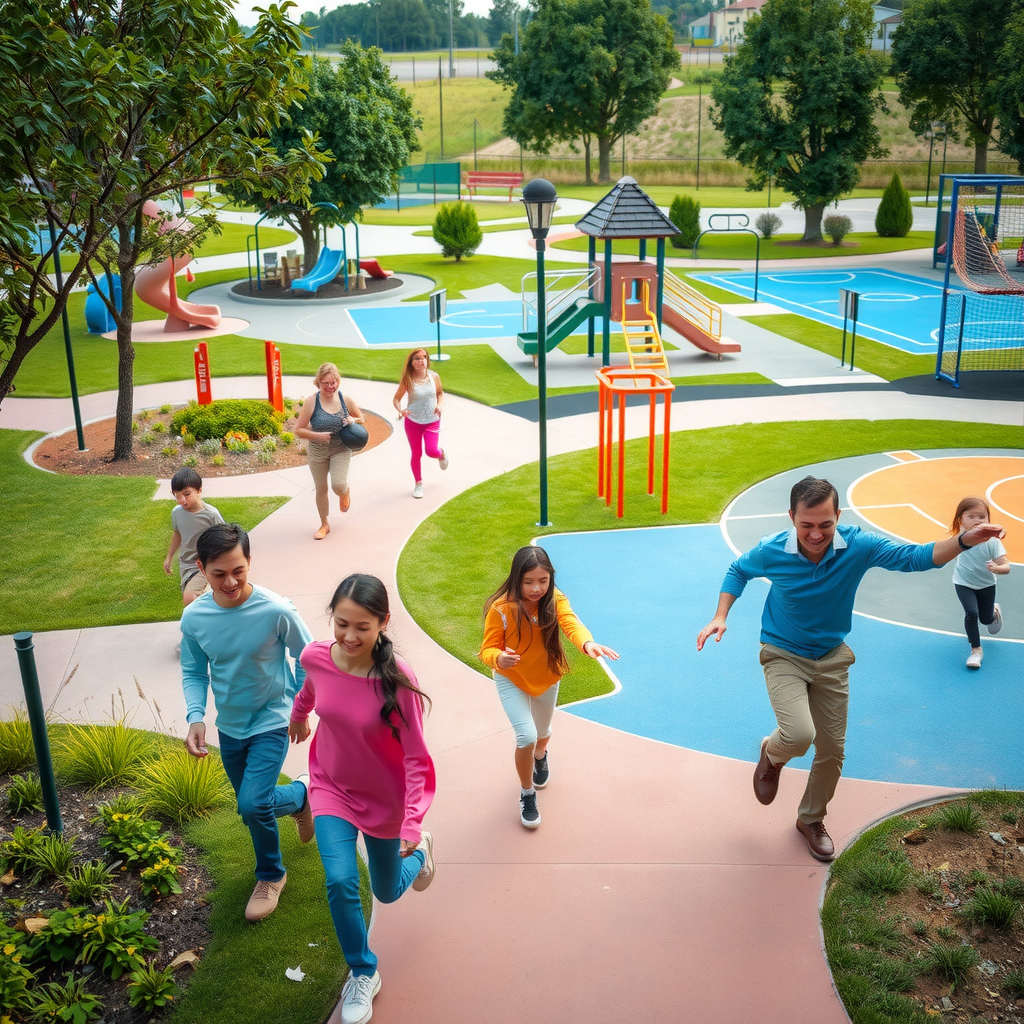
Physical activity and outdoor recreation are essential components of healthy, vibrant communities. Our recreational facility projects create spaces where people of all ages can engage in sports, exercise, and outdoor activities. From playgrounds and sports courts to walking trails and fitness centers, we build facilities that promote active lifestyles and community wellness.
Outdoor Recreation Spaces
We design outdoor recreational facilities that encourage physical activity while connecting people with nature. Modern playgrounds feature age-appropriate equipment that challenges children while ensuring safety. Inclusive playground designs accommodate children with varying abilities, ensuring that everyone can participate in active play. Natural materials and nature-inspired designs create engaging environments that stimulate imagination and encourage outdoor exploration.
Sports facilities include basketball courts, tennis courts, soccer fields, and multipurpose athletic areas that serve diverse recreational interests. We incorporate proper lighting for evening use, durable surfaces that withstand heavy use, and spectator areas that allow families and friends to support athletes. Walking and biking trails connect recreational facilities to broader community networks, promoting active transportation and outdoor exercise.
Fitness and Wellness Centers
Indoor fitness facilities provide year-round opportunities for exercise and wellness activities. Our fitness centers feature modern cardio and strength training equipment, group exercise studios, and dedicated spaces for yoga, dance, and martial arts. Professional-grade equipment and well-maintained facilities ensure safe, effective workouts for users of all fitness levels.
Aquatic Facilities
Swimming pools and aquatic centers provide opportunities for recreation, exercise, and water safety education. We design facilities that accommodate lap swimming, water aerobics, swimming lessons, and recreational swimming. Family-friendly features like splash pads and shallow play areas ensure that aquatic facilities serve all age groups and skill levels.
Public Spaces That Bring Communities Together
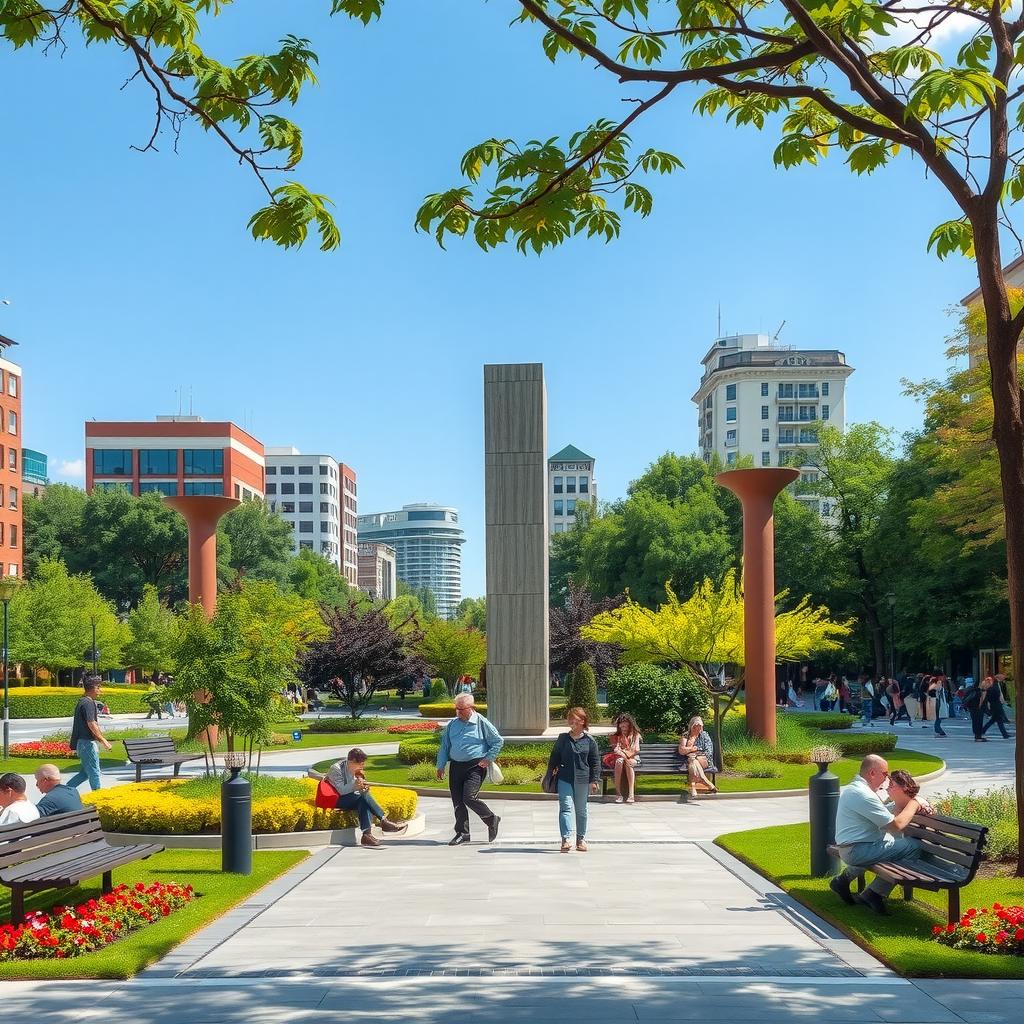
Public spaces are the living rooms of our communities—places where people gather, celebrate, and connect with one another. Our public space projects transform underutilized areas into vibrant gathering places that enhance community life and create opportunities for social interaction. From pocket parks and plazas to community gardens and public art installations, we create spaces that reflect community identity and foster civic pride.
Urban Parks and Green Spaces
We develop urban parks that provide essential green space in densely populated areas. These parks feature diverse landscaping that includes native plants, shade trees, and seasonal flowers that create beautiful, sustainable environments. Thoughtfully placed seating areas, picnic facilities, and open lawns provide spaces for relaxation, socializing, and community events.
Our park designs incorporate elements that serve multiple purposes and appeal to diverse users. Children's play areas, dog parks, community gardens, and outdoor fitness equipment ensure that parks meet varied recreational needs. Public art installations, historical markers, and interpretive signage add cultural and educational value, transforming parks into outdoor classrooms and galleries.
Community Gardens and Urban Agriculture
Community gardens provide opportunities for residents to grow fresh produce, learn about sustainable agriculture, and connect with neighbors who share gardening interests. We design garden spaces with raised beds, accessible pathways, tool storage, and water access that make gardening convenient and enjoyable. Educational signage and demonstration gardens teach sustainable growing practices and inspire environmental stewardship.
Urban agriculture initiatives extend beyond traditional community gardens to include vertical gardens, rooftop farms, and greenhouse facilities. These projects increase local food production, reduce food insecurity, and create opportunities for education and economic development. By integrating agriculture into urban infrastructure, we strengthen food systems and create more resilient communities.
Essential Services Infrastructure
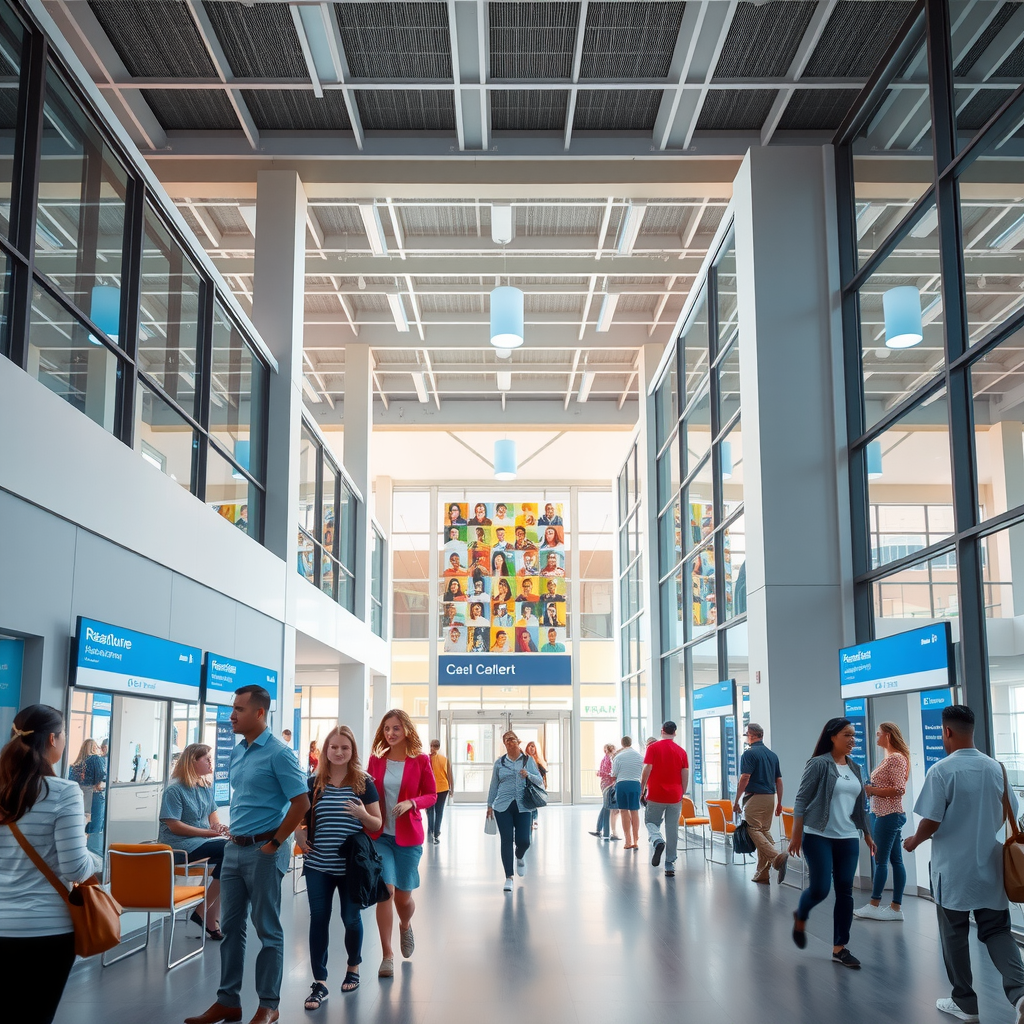
Access to essential services is fundamental to community well-being. Our infrastructure projects include facilities that house critical services such as healthcare clinics, educational programs, social services, and emergency response capabilities. We design these facilities to be efficient, welcoming, and capable of serving high volumes of community members while maintaining privacy and dignity.
Healthcare and Wellness Facilities
We develop healthcare facilities that provide accessible, high-quality medical services to underserved communities. These facilities include primary care clinics, dental clinics, mental health services, and preventive care programs. Modern medical equipment, private examination rooms, and comfortable waiting areas ensure that patients receive care in professional, dignified settings.
Wellness facilities complement medical services by offering health education, nutrition counseling, and disease prevention programs. Community health workers use these spaces to conduct outreach, provide health screenings, and connect residents with needed services. By integrating healthcare and wellness services into community infrastructure, we promote holistic approaches to health and well-being.
Educational and Training Facilities
Educational infrastructure supports lifelong learning and workforce development. We create facilities that house adult education programs, job training centers, early childhood education, and after-school programs. Modern classrooms, computer labs, and specialized training spaces provide environments conducive to learning and skill development.
Our educational facilities incorporate technology that prepares learners for modern workplaces while maintaining flexibility to adapt to changing educational needs. Collaborative learning spaces, quiet study areas, and resource libraries support diverse learning styles and educational goals. By investing in educational infrastructure, we create pathways to economic opportunity and personal growth.
Emergency Preparedness and Response
Community resilience depends on infrastructure that can support emergency response and disaster recovery. We design facilities with emergency shelter capabilities, backup power systems, and communication infrastructure that function during crises. These preparations ensure that communities can respond effectively to emergencies while maintaining essential services and supporting vulnerable populations.
Community Engagement in Infrastructure Development
Successful infrastructure projects begin with meaningful community engagement. We involve residents in every phase of project development, from initial planning through design, construction, and ongoing operation. This participatory approach ensures that infrastructure truly serves community needs and reflects local values and priorities.
Participatory Planning Process
Our planning process includes community meetings, surveys, focus groups, and design workshops that gather input from diverse stakeholders. We actively seek participation from underrepresented groups to ensure that all voices are heard and considered. Visual design tools, 3D models, and virtual reality presentations help community members understand proposed projects and provide informed feedback.
We maintain transparency throughout the development process, providing regular updates on project progress, budget considerations, and timeline adjustments. Community advisory committees provide ongoing input and help navigate challenges that arise during construction. This collaborative approach builds trust, generates community ownership, and results in infrastructure that truly serves local needs.
Looking Forward: The Future of Community Infrastructure
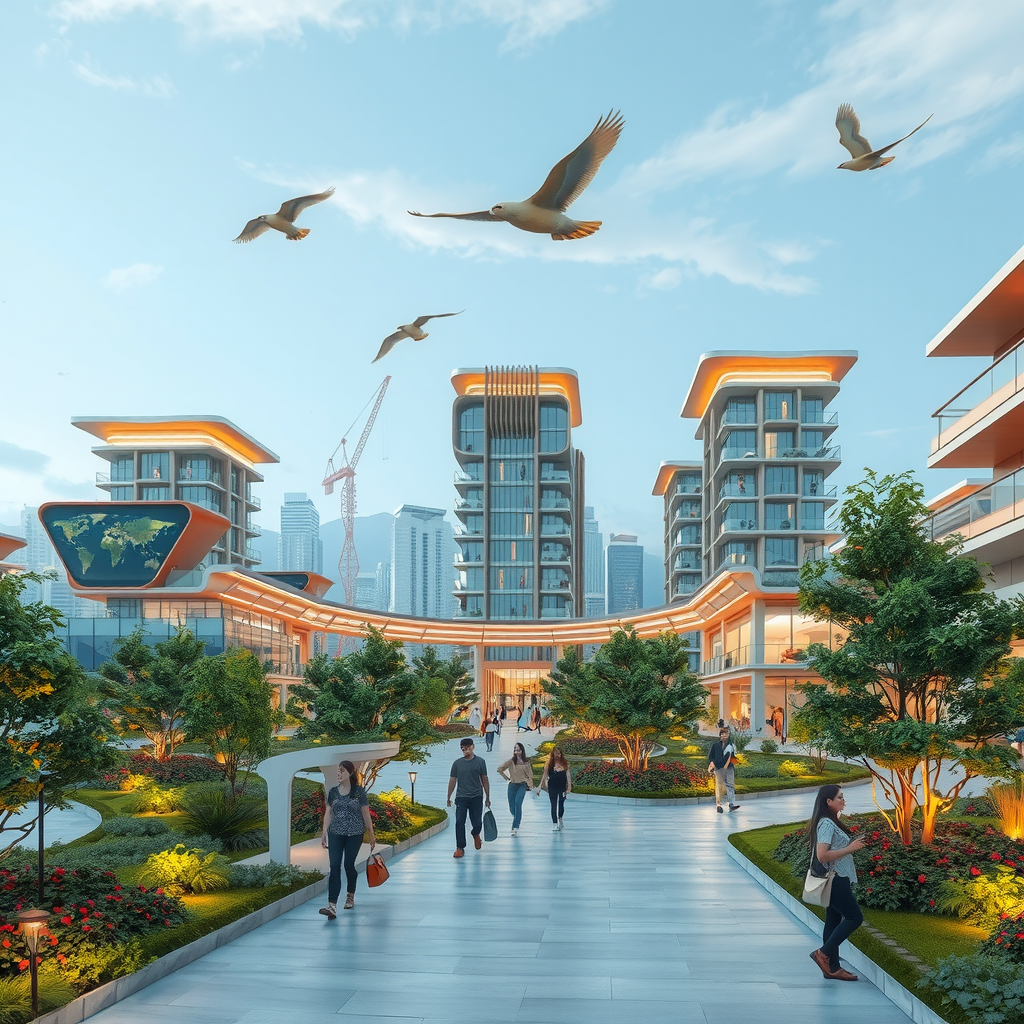
As we look to the future, we remain committed to innovation and continuous improvement in infrastructure development. Emerging technologies, evolving community needs, and growing environmental challenges require adaptive approaches to infrastructure planning and construction. We embrace these challenges as opportunities to create even more effective, sustainable, and responsive community facilities.
Smart Infrastructure and Technology Integration
We are incorporating smart building technologies that improve efficiency, enhance user experience, and provide valuable data for facility management. Internet of Things (IoT) sensors monitor building systems, optimize energy use, and predict maintenance needs before problems occur. Digital wayfinding systems, mobile apps, and online booking platforms make facilities more accessible and user-friendly.
Technology integration extends to programming and service delivery. Virtual programming options expand access to services beyond physical facility boundaries. Digital literacy programs ensure that all community members can benefit from technological advances. By thoughtfully integrating technology into infrastructure, we create facilities that serve communities more effectively while preparing residents for an increasingly digital world.
Climate Resilience and Adaptation
Climate change presents significant challenges for infrastructure development. We design facilities that can withstand extreme weather events, adapt to changing climate conditions, and contribute to climate mitigation efforts. Green roofs, permeable surfaces, and bioswales manage stormwater while reducing urban heat island effects. Resilient construction methods and materials ensure that facilities remain functional during and after extreme weather events.
Our commitment to climate resilience extends to helping communities adapt to changing conditions. Cooling centers provide refuge during heat waves. Emergency shelters offer protection during storms. Community gardens and urban agriculture projects increase local food security. By building climate resilience into infrastructure, we help communities thrive despite environmental challenges.
Measuring Impact and Success
We measure the success of our infrastructure projects through multiple metrics that capture both quantitative outcomes and qualitative community impacts. Usage statistics, program participation rates, and facility utilization data provide objective measures of project success. Community surveys, stakeholder interviews, and observational studies reveal how infrastructure affects quality of life, social connections, and community well-being.
Long-term monitoring and evaluation help us understand infrastructure impacts over time and identify opportunities for improvement. We track maintenance costs, energy consumption, and operational efficiency to ensure sustainable facility management. Community feedback guides ongoing programming, facility modifications, and future project planning. This commitment to continuous evaluation and improvement ensures that our infrastructure investments deliver lasting value to communities.
Join Us in Building Stronger Communities
Infrastructure development is a collaborative endeavor that requires partnership, resources, and shared commitment to community well-being. We invite community members, organizations, and supporters to join us in building the facilities and spaces that will serve as foundations for thriving neighborhoods. Together, we can create infrastructure that strengthens communities, promotes equity, and builds a better future for all.
Through thoughtful planning, sustainable construction, and meaningful community engagement, Lucey Dugan Watkins Charity continues to develop infrastructure that transforms neighborhoods and improves lives. Our commitment to excellence, sustainability, and community service guides every project we undertake. As we build facilities that serve current needs while anticipating future challenges, we create lasting legacies that will benefit communities for generations to come.